PCOS
Polycystic Ovarian Syndrome (PCOS): What You Need to Know
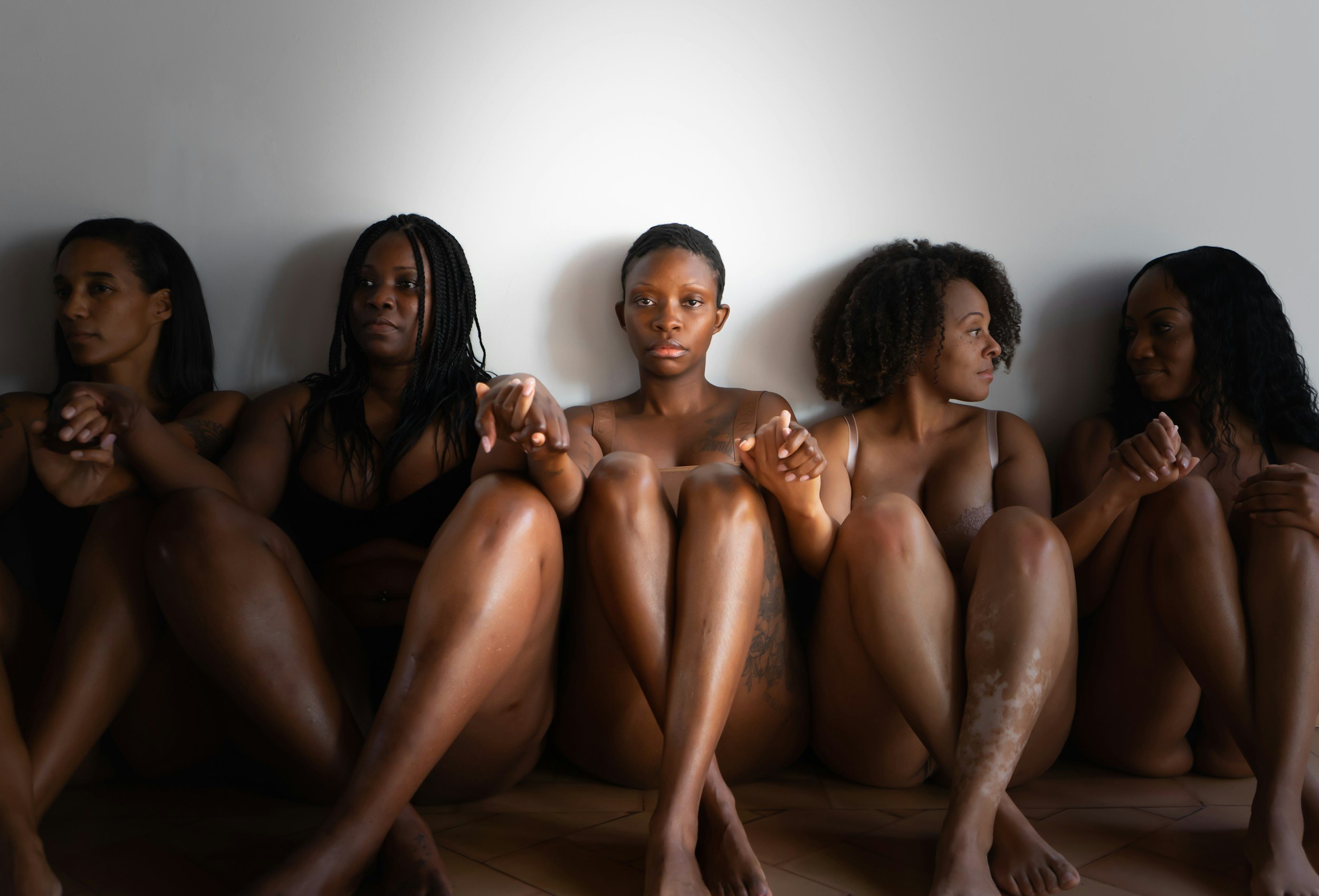
Polycystic Ovarian Syndrome (PCOS) can feel like a nightmare you didn’t sign up for. Your period becomes unpredictable, weight gain seems to happen overnight, and hair grows in places you’d rather it didn’t—while thinning in the places you wish it would stay. Skin can become reactive and acne-prone, your sleep gets disrupted, pelvic pain may appear, and your mood can feel like it’s being hijacked by hormones.
PCOS affects an estimated 10 million people worldwide and is one of the leading causes of infertility. And because September is PCOS Awareness Month, it’s the perfect time to bring clarity to a condition that is often misunderstood, underdiagnosed, and minimized.
What Causes PCOS?
The exact cause of PCOS is still not fully understood, but researchers do know that it is strongly related to hormonal and metabolic dysfunctions. A few key factors include:
• Hormonal Imbalances
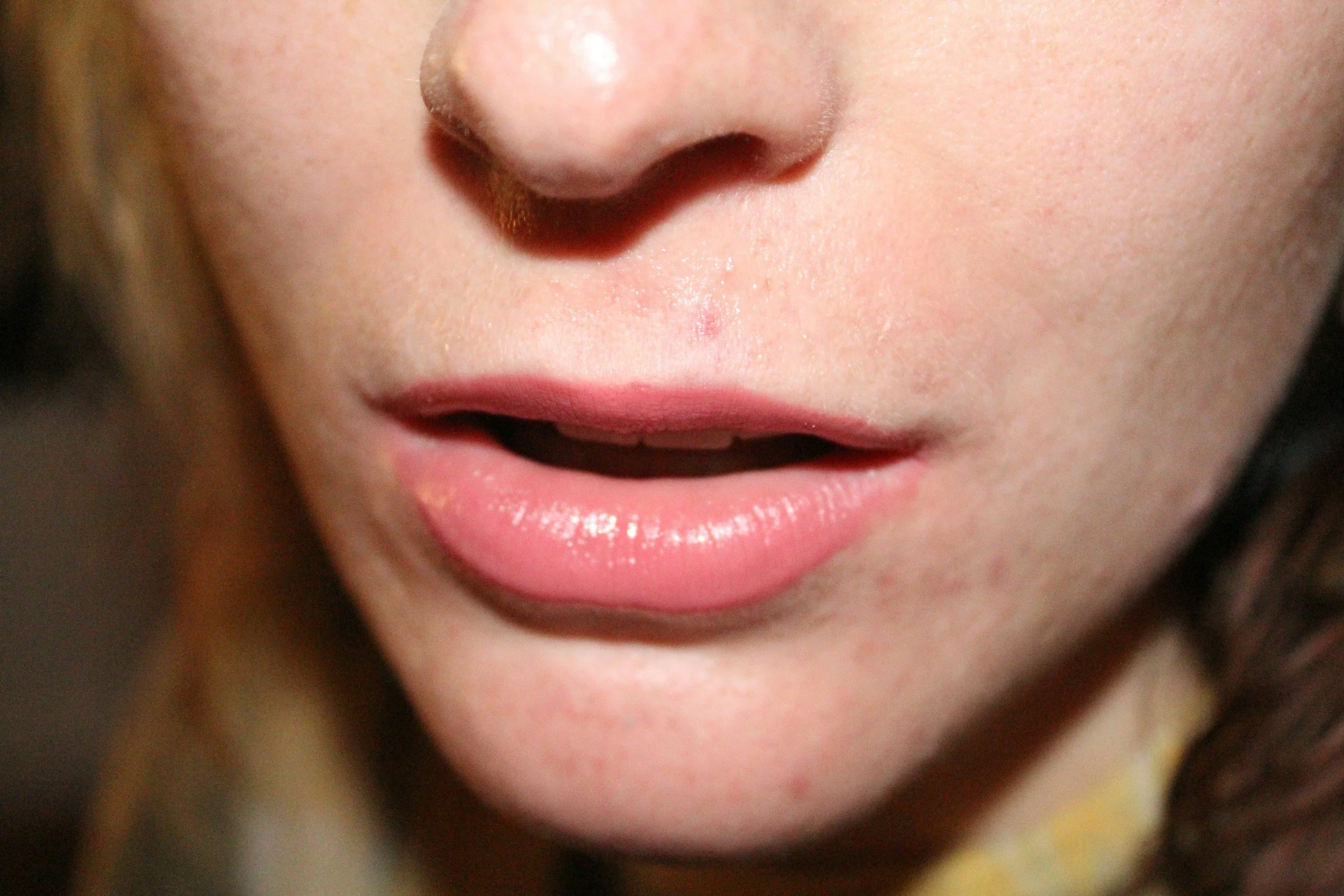
People with PCOS often produce higher-than-normal levels of androgens (sometimes called “male hormones,” though everyone produces them). Elevated androgens can disrupt ovulation, cause acne, and trigger unwanted hair growth.
• Insulin Resistance
Many people with PCOS have trouble using insulin effectively. This can lead to elevated insulin levels, which can worsen weight gain, increase testosterone production, and impact overall metabolic health.
• Low Progesterone
Because ovulation occurs irregularly or not at all, progesterone levels may remain chronically low. This can contribute to mood changes, cycle irregularity, and challenges with fertility.
• Genetic + Environmental Factors
PCOS often runs in families, but lifestyle and environmental stressors can influence how strongly symptoms show up.

PCOS & Your Skin
Skin and hormones are deeply connected. While PCOS is a reproductive and metabolic condition, one of the most visible places it manifests is on the skin.
1. Acne
PCOS-related acne commonly appears on the jawline, chin, and upper neck—areas highly sensitive to androgen fluctuations. Breakouts may worsen around menstruation or during periods of heightened stress.
2. Acanthosis Nigricans
Insulin resistance can cause darker, velvety patches of skin around the neck, underarms, groin, or skin folds. This condition itself is harmless but is a sign the body is struggling with metabolic balance.
3. Skin Tags
Small, soft skin growths—often on the neck or underarms—are more common in people with insulin resistance disorders, including PCOS. They’re benign but can be irritating or cosmetic concerns.
4. Hirsutism & Alopecia
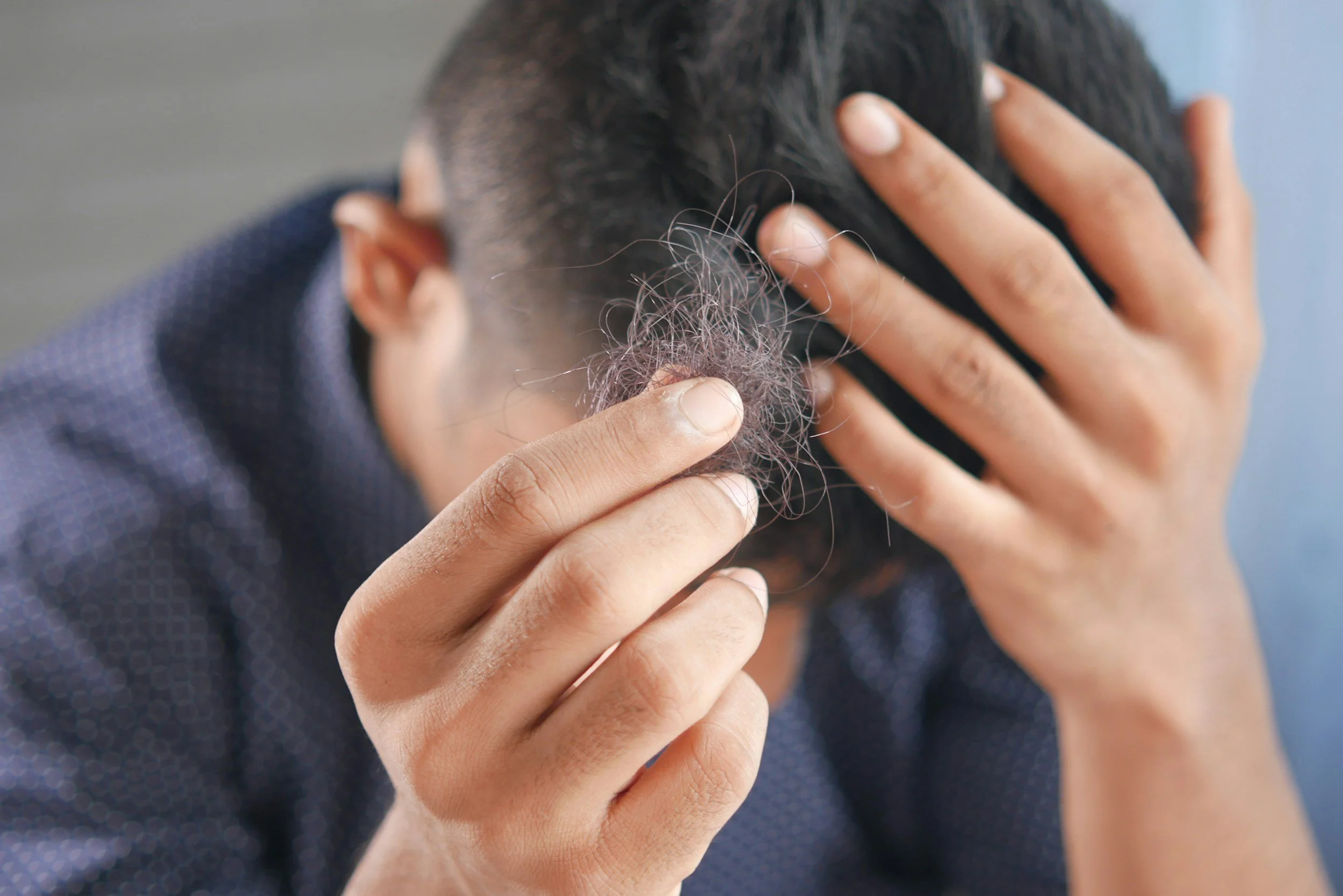
Excess androgens can cause:
Hirsutism: coarse, dark hair on the chin, jawline, chest, abdomen, or back
Alopecia: thinning or shedding hair on the scalp
These symptoms can affect confidence, mood, and self-image, making compassionate care and education essential.
Other Common PCOS Symptoms
PCOS shows up differently for everyone, but may also include:
Irregular or missed periods
Difficulty getting pregnant
Fatigue or poor sleep
Mood fluctuations
Sugar cravings
Difficulty maintaining weight
Pelvic pain
Headaches
No two experiences look exactly alike — which is why personalized care matters.
Diagnosis & Treatment
If you suspect you may have PCOS, speak with a healthcare professional. Diagnosis may include:
A detailed health and menstrual history
Blood tests to evaluate hormone levels
Ultrasound imaging
Screening for insulin resistance or metabolic health
Treatment Is Highly Individual
Depending on symptoms and personal goals, treatment may involve:
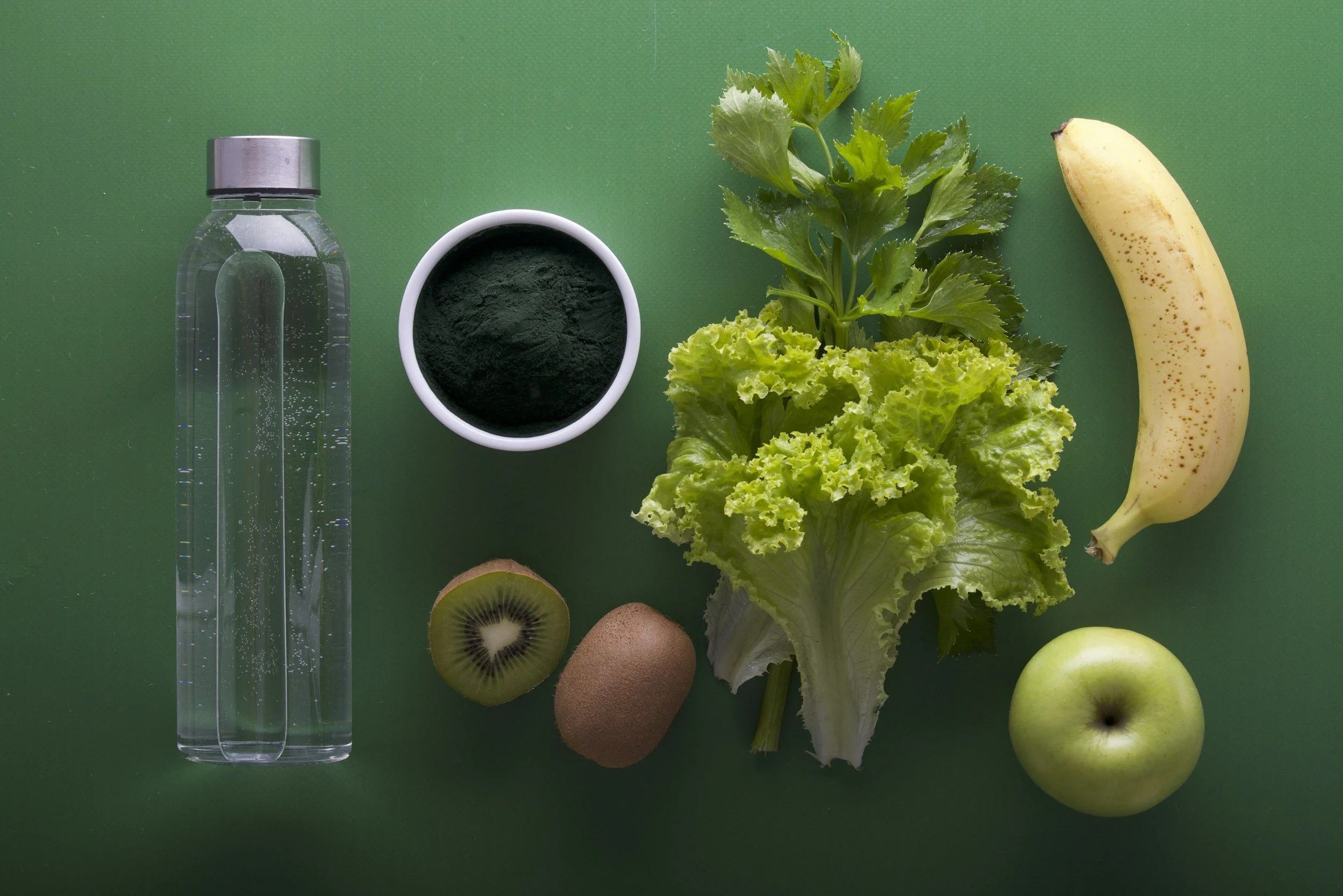
Nutrition and lifestyle modifications
Medical management such as hormonal treatments
Support for insulin resistance
Acne or dermatologic care
Fertility-focused treatment if desired
Holistic or integrative approaches
There is no one-size-fits-all PCOS treatment plan, and many people go on to have healthy pregnancies, stable cycles, and improved well-being with proper support.
Advocate for Yourself
You deserve a provider who listens, explains your options clearly, and respects your values. You can:
Ask questions
Bring up symptoms that feel dismissed
Request additional testing
Decline treatments that don’t align with your needs
Seek a second opinion
You are the most important expert on your body.
PCOS & Emotional Health
Living with PCOS can take an emotional toll. Changes in appearance, fertility concerns, and chronic symptoms can lead to stress, anxiety, or shame.
You are not alone — and none of this is your fault.
Community, education, and trauma-informed care can make a huge difference in how supported someone feels when navigating this condition.
Final Thoughts
PCOS is complex — but with early recognition, proper care, and a supportive healthcare team, symptoms can be managed, skin can improve, and long-term health can be protected. Awareness is power, and compassionate care is essential.
Resources
Mayo Clinic Staff. “Polycystic ovary syndrome (PCOS) - Symptoms and Causes.” Mayo Clinic Website
https://www.mayoclinic.org/diseases-conditions/pcos/symptoms-causes/syc-20353439
Insulite Health Staff. “PCOS and Skin Tags.” Insulite Health PCOS
https://pcos.com/pcos-and-skin-tags/
PCOSAA Staff. “PCOS Diagnosis” PCOS Awareness Association.
https://www.pcosaa.org/diagnosis